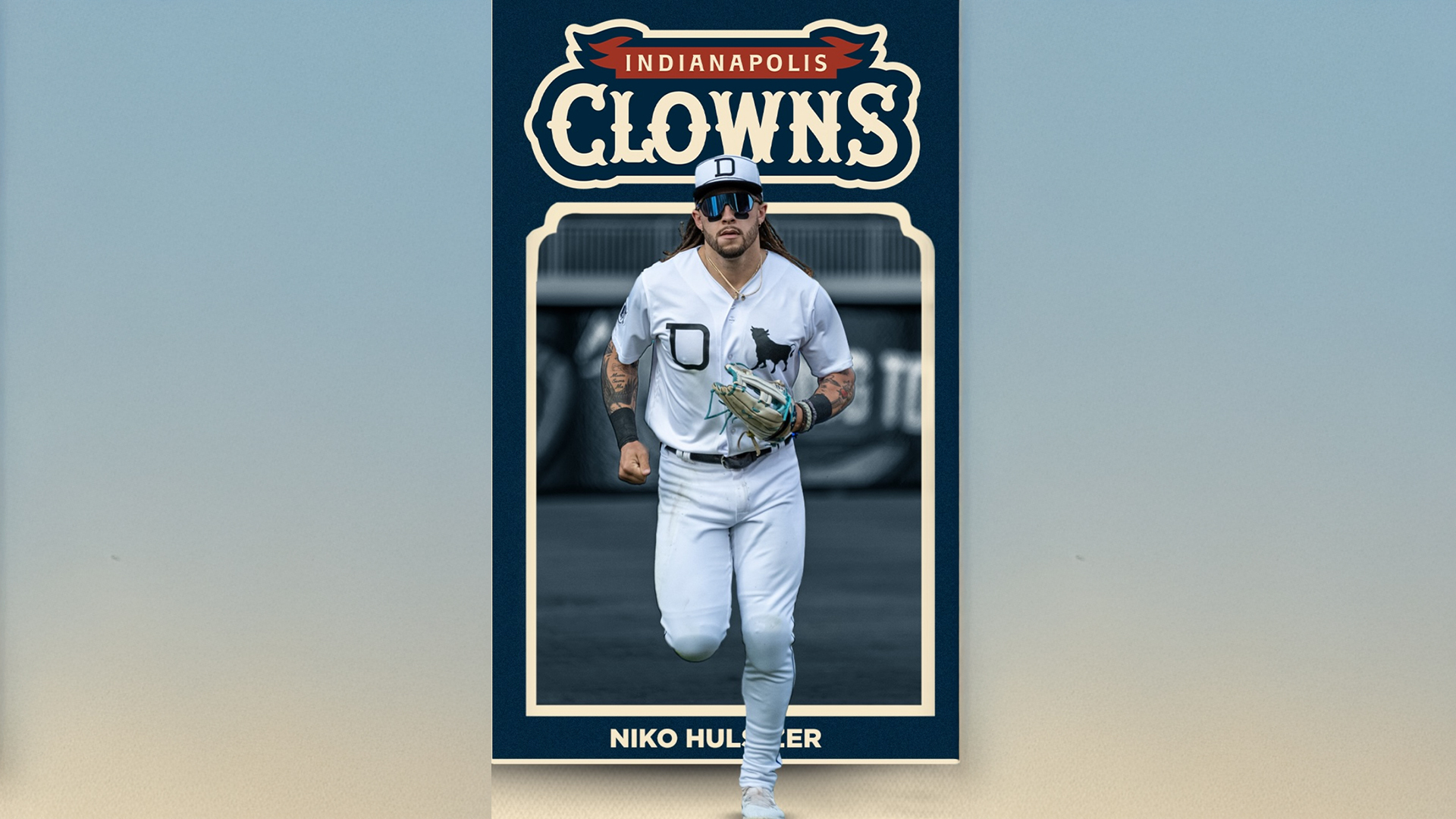
Not Retired; Reinvented: Niko’s Baseball Journey is Bananas!
December 24, 2025
This is a story about returning home, teaching the next generation, and chasing a new kind of challenge, one that asks for both elite baseball and fearless entertainment.
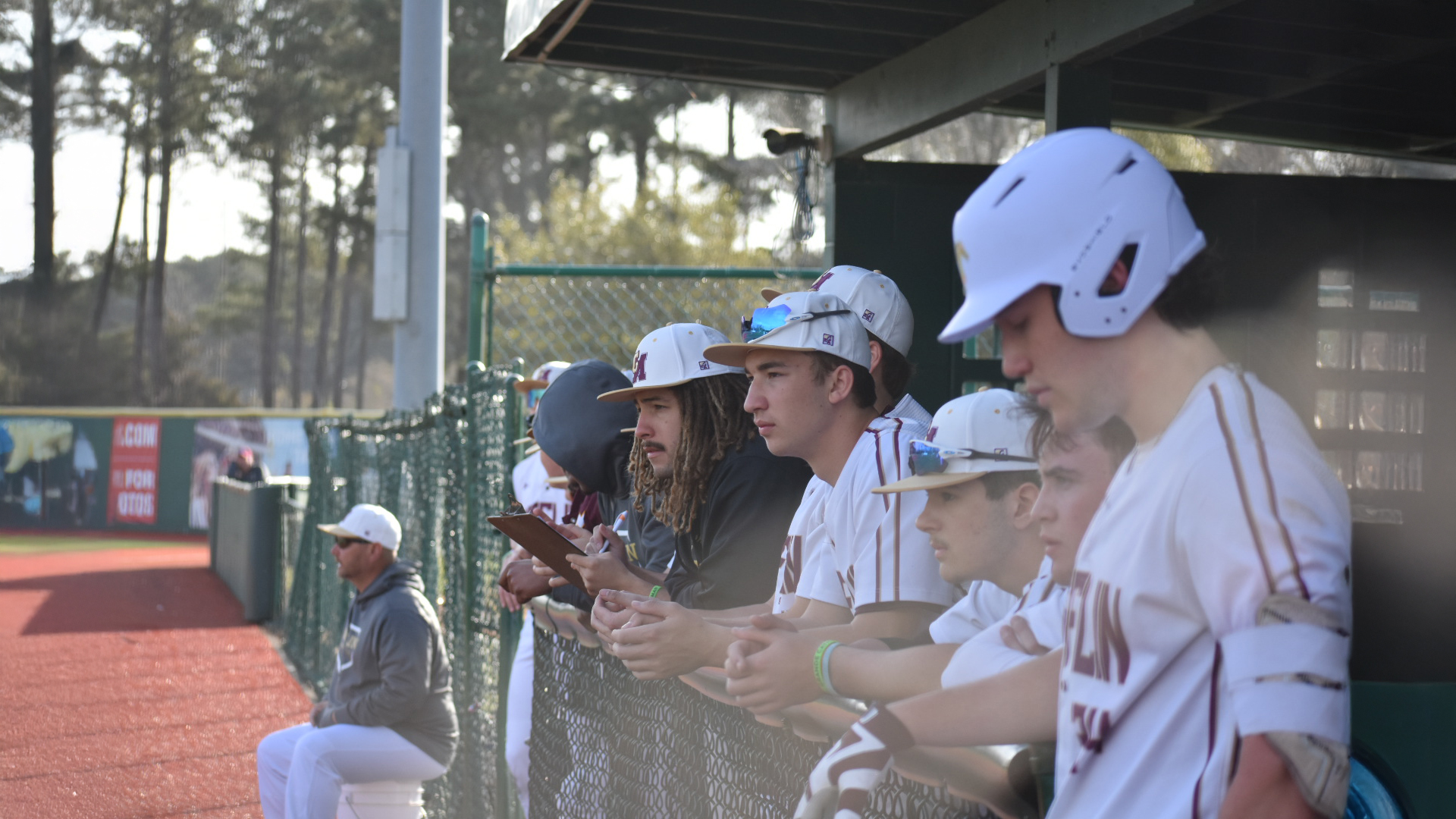
“Every time I drive by Rulon… it still feels like home.”
Some baseball stories are about a single leap – one big opportunity, one defining moment. Niko’s story is different. It’s a series of earned chapters: a kid who put in the reps at Rulon, a college player who kept leveling up, a professional who learned to survive and thrive through the grind, and now a father who still isn’t done competing.
Today, Niko is a former GM Baseball player and a current GMBA member whose post–high school career reads like a map of the modern baseball journey: college baseball at Morehead State University; drafted by the Los Angeles Dodgers in the 18th round of the 2018 MLB Amateur Draft; five years in Minor League Baseball across the Dodgers and Tampa Bay Rays organizations; reaching the AAA level with the Durham Bulls; and continuing in independent and international baseball before stepping into a new, unexpected lane.
What makes this journey extraordinary?
It’s not only the levels Niko reached – it’s the willingness to keep adapting. Niko has lived each identity the game demanded: prospect, teammate, grinder, mentor, coach, dad… and now, performer.
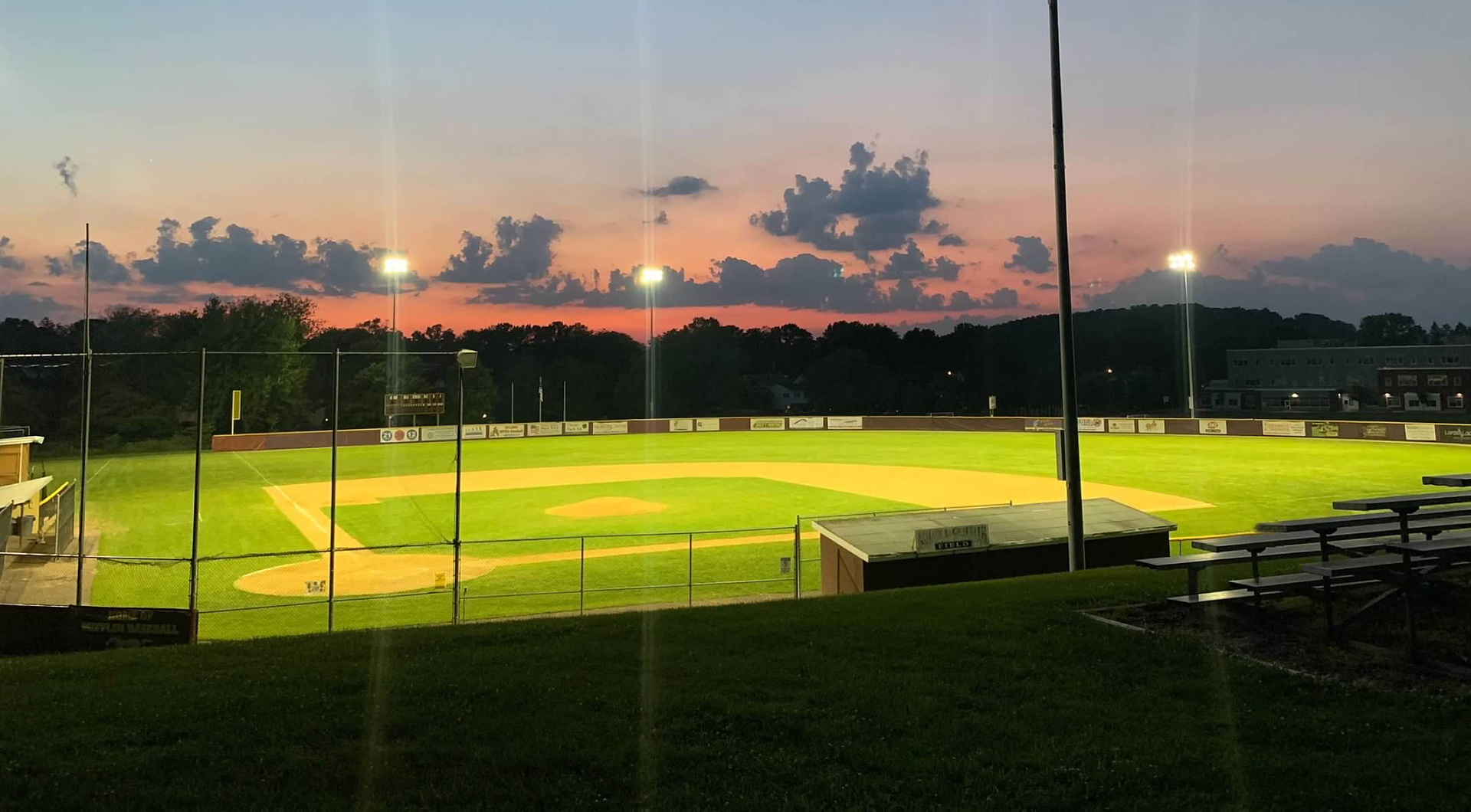
Rulon Field wasn’t just where Niko played – it remained the place that grounded him when he returned to give back.
Rulon Field: Same Dirt, New Perspective
When players come back as coaches, they often say the game looks different from the dugout. For Niko, the first feeling wasn’t distance, it was familiarity. “Every time I drive by Rulon let alone step on the field it brings back so many memories,” he said, describing the countless games and practices that helped shape him into the player he became.
What struck him most was how much the place still felt like itself. Sure, there were updates, the fences in front of the dugout, a speaker system for walkout songs, but the heartbeat of Rulon remained the same. That consistency matters. It reminds returning alumni that the next generation is still chasing the same thing: a chance to grow, compete, and belong to something bigger than one season.
“I’m happy I’ve continued to call Mohnton and Mifflin home throughout my career and transition into fatherhood… I’m happy not much has changed, it still feels like home.”
What Pro Baseball Really Teaches You
Fans see the highlights. Players live the in-between: early mornings, late nights, long buses, short slumps that feel endless, and the quiet pressure of needing to perform again tomorrow. Niko describes his college and professional years as a masterclass in life skills earned the hard way.
That’s the kind of education you can’t download or shortcut. And it’s exactly what Niko bestowed to the current Mustangs, especially the mental side. Because at every level, baseball is a constant test: can you stay confident when results wobble? Can you stay humble when they don’t? Can you keep showing up with the same effort when nobody’s watching?“Baseball has shaped me into the person I am today. It taught me how to work hard day in and day out. How to deal with adversity and struggle. How to deal with success. How to be a teammate to a long list of people from all different backgrounds…”
Mentorship with a purpose
Niko’s motivation is personal. He wants to be a guide for kids “that come from where I came from,” because he knows how much time and heart players pour into this sport, and how quickly that can turn into frustration without the right perspective.
Coaching the Way He Needed: Genuine, Present, Accountable
When asked what kind of coach he needed in high school, Niko didn’t point to a missing piece, he pointed to a standard that already existed. Many of the coaches from his playing days are still here, and in his words, “still around, present, and successful for a reason.”
That continuity speaks volumes about the Governor Mifflin program. And it also shaped how Niko coached this past season: not as a distant authority figure, but as someone players can trust.
He also understood the order matters. Respect first. Relationship second. Instruction last—because if you get the first two right, players are far more willing to listen when the moment demands a correction, a challenge, or a tough truth.“I tried to be a coach, a friend, someone they can look up to, and respect… I just tried to be a genuine person to the boys and staff and give the knowledge I’ve gained over the years back to them.”
What He Tried to Pass Down During His Time Coaching
Having played at the collegiate and professional levels, Niko didn’t come home to “reinvent” Mifflin baseball, he came home to translate what he’d learned. The grind of college. The daily standard of pro ball. The mental weight of failure in a sport that guarantees it. And the discipline required to keep showing up anyway.
During this past season, he especially wanted players to understand the mental side; because talent doesn’t separate players as much as the ability to handle adversity, stay steady, and be a great teammate when things get hard.“Baseball has shaped me into the person I am today. It taught me how to work hard day in and day out. How to deal with adversity and struggle. How to deal with success. How to be a teammate to a long list of people from all different backgrounds…”
How Niko Adjusted to Today’s High School Game
Niko’s view was that baseball itself hadn’t changed much, outside of minor rule tweaks. What had changed was the availability of information. During his time on the staff, he saw how scouting reports, pitch charts, and spray charts helped the Mustangs prepare at a higher level.
He also credited Coach Hole for maximizing those tools. “Coach Hole takes advantage of that better than anyone out there,” Niko said, pointing to a modern edge that complements an old-school truth: the game still comes down to execution.
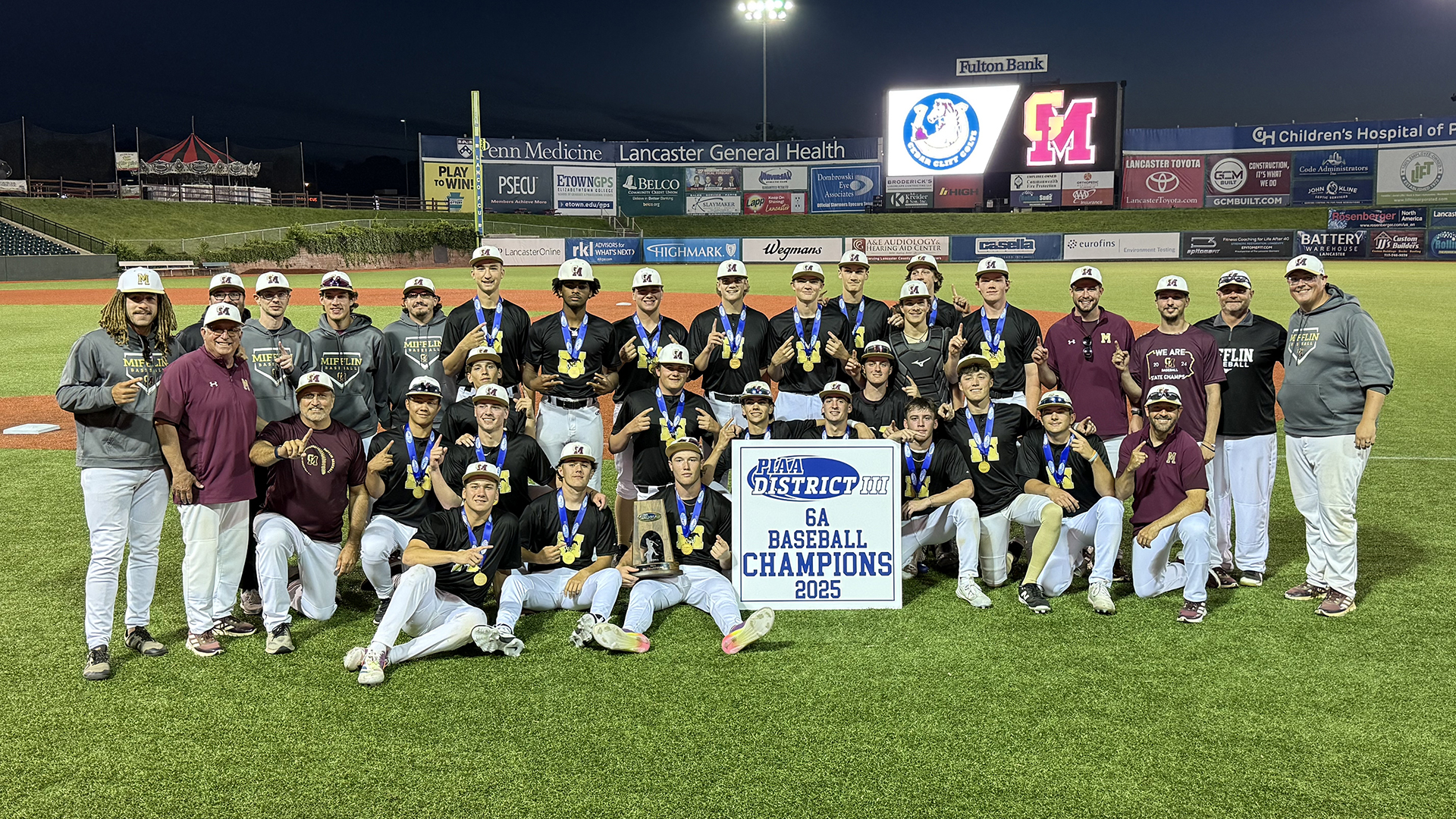
The memories that last aren’t only the box scores, they’re the people beside you.
The Part They Don’t Put on the Stat Sheet
Ask most former players what they remember, and they’ll mention big games, but they’ll also talk about bus rides, jokes, routines, and the small moments that somehow become the ones you keep for life. Niko put it plainly: he remembered the time off the field with teammates just as much as the innings under the lights, and that perspective hit differently coming from someone who had traveled through college baseball and the professional ranks across organizations, states, and leagues. To him, the value of team, especially the high school kind, where you’re together nearly every day and the relationships feel like family, was the part they don’t put on the stat sheet.
His message reframed what success really meant: yes, wins and stats mattered, but so did learning how to be a teammate, how to carry yourself, and how to build relationships you’d still value long after the last inning, because the “next level” wasn’t only about exposure, it was about becoming someone who could handle life with a team, for a team, and sometimes in spite of the scoreboard.“Your high school teammates are your brothers… I just want them to take their memories and experiences with them for the rest of their life and have endless happy stories to tell.”
From Player to Coach: A New Kind of Responsibility
Coaching gave Niko a new angle on the program and the work it took behind the scenes. He brought knowledge from playing at high levels, and he wasn’t far removed from the game’s current trends. He also gained a deeper appreciation for the way the staff operated and how much Coach Hole invested in Mifflin baseball.
Niko leaned into hitting as his primary lane, and he also tried to be steady for players navigating the mental side of the sport. He read emotions, offered praise when it was earned, and made himself available when players needed an ear, on the field and off it.“Coach Hole and the coaching staff do such a great job, everybody has a role… I tried to let Coach Hole run the show and offer my two cents if I thought I had a way to help him.”
After the season, though, he realized something; he still wanted to compete. Coaching had been meaningful, but the player in him wasn’t finished.
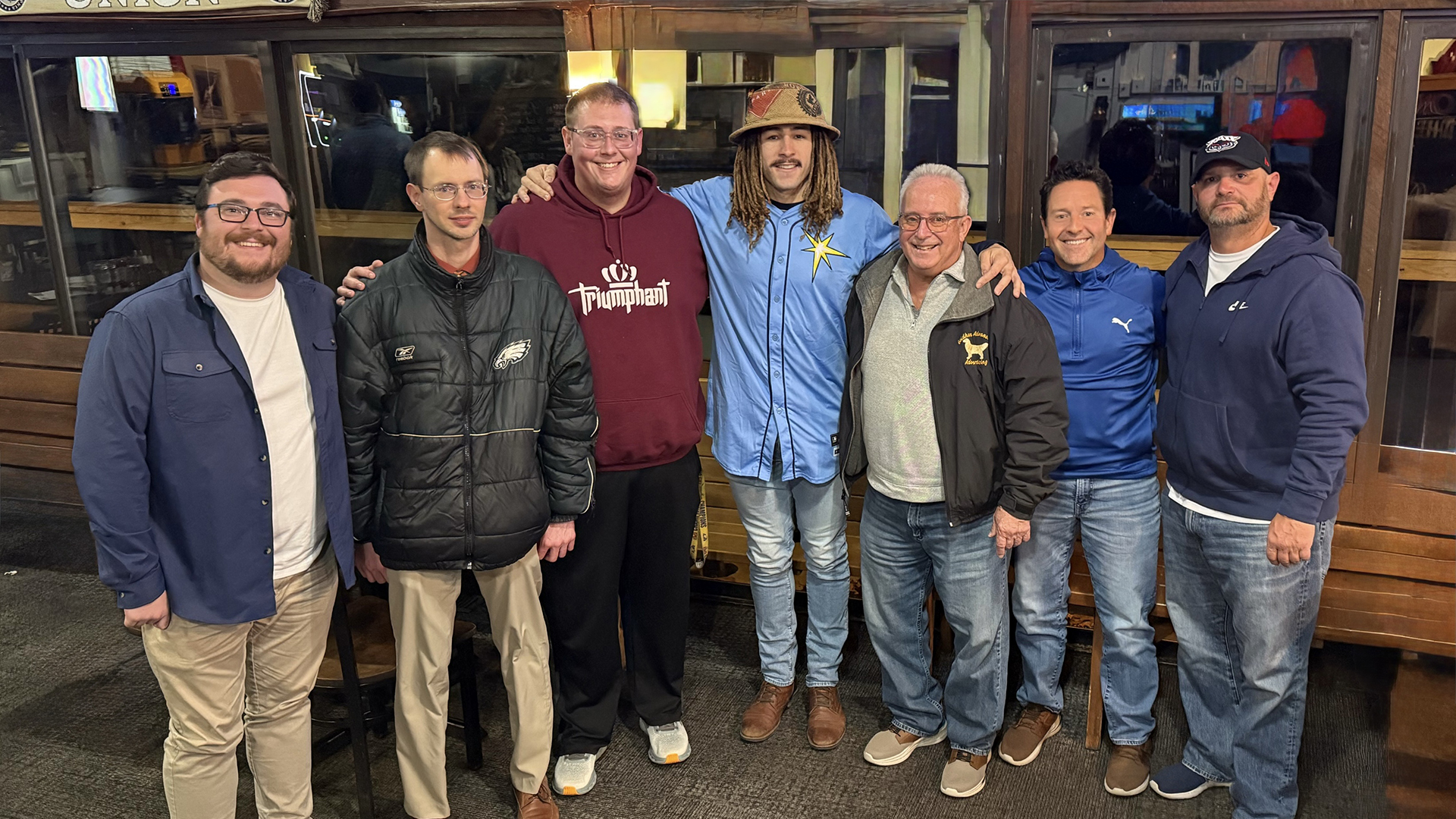
The next chapter: elite baseball skills, plus the courage to entertain.
When the Game Called Him Back; In a Different Language
After a year of coaching at home, Niko felt something familiar: the itch to play again. But this time, the door he walked through wasn’t a traditional one. It was Banana Ball.
For years people told him he’d be perfect for it, but he admits he “kind of wrote it off” as a traditional player. The shift happened after stepping away and hearing about tryouts through a former Mifflin grad, Darius Troche. Niko reached out, thinking it couldn’t hurt.
That sentence is the bridge between chapters. Because after years of chasing excellence in the traditional system, there’s something powerful, especially as a father, about choosing joy and choosing the hard work required to earn it.“After getting on a phone call with the org, everything they said checked the boxes of what I am now looking for in baseball. I want to have fun playing the game and leave people with a smile on their face.”
The Draft Party: Nerves, Joy, and “All My People”
Niko has already lived the MLB draft experience, but he says this was different. The Banana Ball draft party brought a new kind of anticipation, still nerve-racking, still real, but wrapped in community and celebration.
“Seeing my name come up on the TV when I was selected and having all my people there was an experience I’ll never forget.”
Preparing for the Indianapolis Clowns: Athlete + Entertainer
In affiliated baseball, the job is to win; in Banana Ball, the job is bigger – win, perform, and connect; and Niko is preparing with that expanded mission in mind. His focus is fully on Banana Ball now, and while parts of his routine still resemble a familiar offseason, the demands go further: it’s not enough to be game-ready, you have to be show-ready.
That means keeping the core baseball work while bracing for challenges that don’t show up on a stat sheet: dancing, trick plays, and stepping deliberately outside a traditional comfort zone to perform in front of massive crowds (sometimes as many as 100,000) without losing the sharpness of his game. As he put it, he’s looking forward to “the fun pressure of new endeavors.”“Not only do I have to be a high level baseball player but also an entertainer and performer… I’m taking a lot of time to be flexible and pliable. As well as doing some gymnastic training. Cardio is more of a factor in Banana Ball as well. I was told be ready for 30–40 thousand steps per game.”
What It Means for His Family
Niko’s journey isn’t only measured in levels reached or jerseys worn. It’s measured in the way he keeps choosing growth, and keeps choosing home. He talks about being grateful to call Mohnton and Mifflin home, not only through a winding professional career but also through “transition into fatherhood.”
That matters, because kids learn legacy less from stories and more from patterns. They notice who shows up. They notice how you respond to disappointment. They notice whether you keep learning. Whether you keep working. Whether you keep your word.
For his son, Niko is building a living example: you can chase big dreams, you can pivot when life changes, and you can return to your roots with gratitude, not as a step backward, but as a way to give back and move forward with purpose.
In a sport that can be unforgiving, that’s not a small goal. It’s a mature one. And it fits the arc of Niko’s career perfectly: a player who learned to grind, a coach who learned to mentor, and a father who understands that joy, earned through hard work, is one of the best gifts you can pass down.“I want to have fun playing the game and leave people with a smile on their face.”